

Dedicated seismic monitoring networks, serving as "outposts" to ensure the safety of critical construction projects such as oil depots, oil fields, and nuclear power plants, can capture seismic activity information in real time, providing crucial data support for disaster early warning and emergency decision-making. However, in uninhabited areas with extreme environments and complex geography, building a stable, reliable, and efficient data transmission network has become a core challenge limiting the effectiveness of seismic monitoring. This project, based on the safety needs of a major engineering project in an extremely cold, uninhabited area, successfully deployed a dedicated seismic monitoring system and innovatively adopted advanced wireless transmission technology to overcome communication difficulties in extreme environments, providing an excellent model for safety monitoring of similar major projects under similar conditions.
Project Overview
This project is a dedicated seismic monitoring network built to support a major construction project located in an extremely cold, uninhabited area. It consists of multiple monitoring stations distributed throughout the project area, aiming to collect seismic motion data in real time and transmit it at high speed to a central platform, achieving all-weather monitoring of structural safety and regional seismic activity. The project faces four core challenges: firstly, the extreme low-temperature environment, reaching as low as -40℃, where conventional equipment is prone to performance degradation or even failure; secondly, being located in an uninhabited area, operation and maintenance are extremely difficult, requiring highly reliable equipment and remote management capabilities; thirdly, complex natural conditions such as wind, sand, rain, and snow require equipment with a high physical protection rating; and fourthly, the large volume of monitoring data, where traditional wireless transmission bandwidth is insufficient, and fiber optic cable deployment costs are extremely high, creating a serious data transmission bottleneck.
Solution
To address the project's pain points, we designed and implemented an end-to-end comprehensive solution:
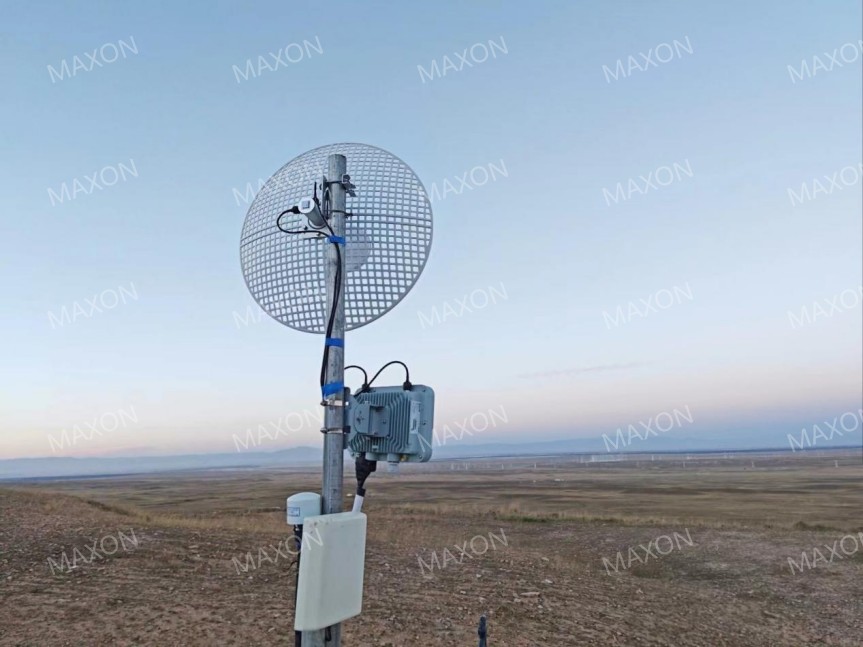
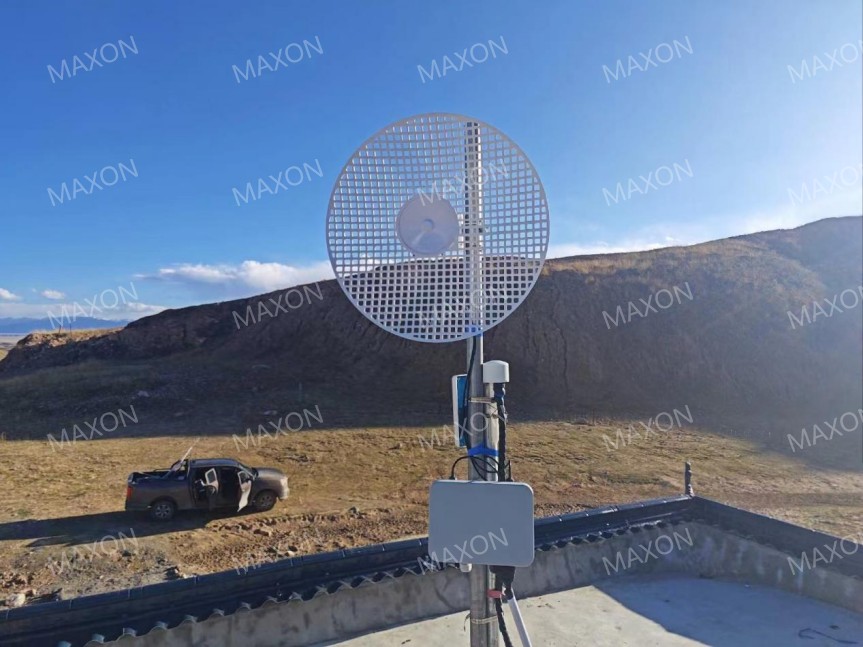
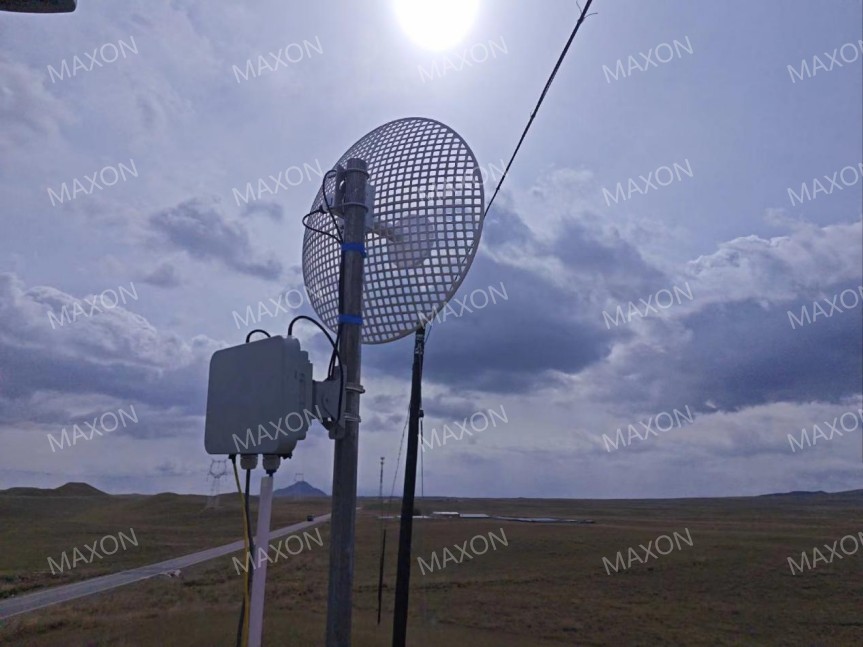
Network Architecture Design: A Maxon industrial-grade wireless WiFi6 bridge is deployed at each remote seismic monitoring station, and a corresponding base station is deployed in the central data room. This forms a point-to-multipoint or point-to-point high-speed wireless transmission network.
Equipment Selection and Deployment:
Terminal Station: Maxon WIFI6 bridges with industrial-grade wide temperature range (-40℃ to 75℃) and IP68 protection rating are selected and directly connected to the seismic data collectors.
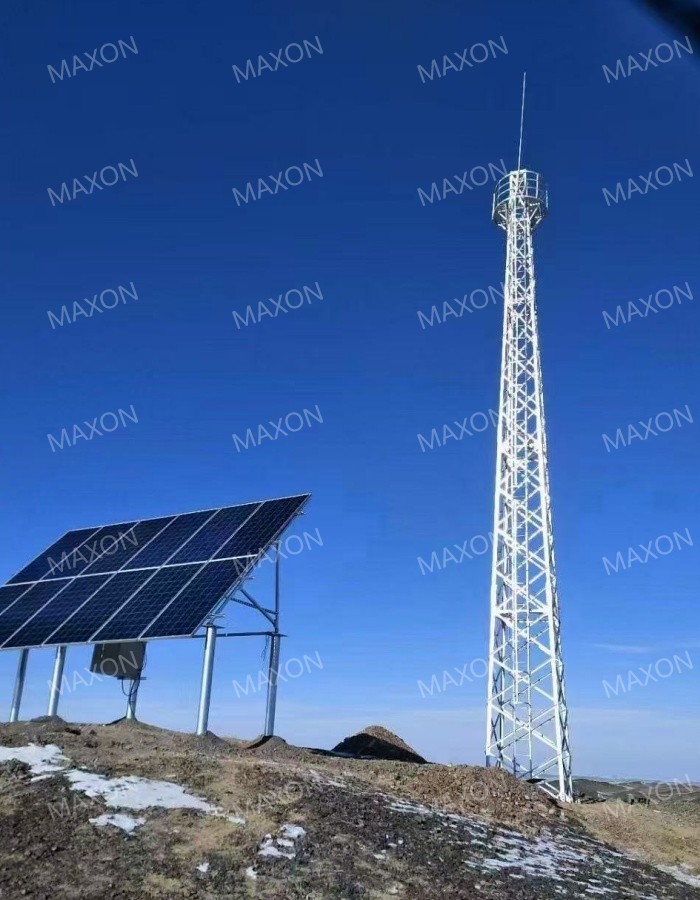
Central Base Station: A high-performance WIFI6 base station antenna is deployed at the central end to aggregate data from all remote stations. 4.
Data Transmission Process: Real-time data collected by the seismic monitoring instrument is transmitted to the local Maxon WiFi6 CPE. The data is then transmitted at a high and stable speed of 1.5Gbps to the central base station via a WiFi6 microwave wireless link, and finally enters the seismic data analysis and storage server.
Power Supply and Assurance: The remote site uses a solar power system with a large-capacity battery to ensure continuous operation in the absence of mains power. All equipment has undergone rigorous low-temperature startup and long-term stability testing.
Case Study
A state-owned enterprise operating large-scale energy facilities (such as oil fields) in extremely cold, uninhabited areas needed to build a dedicated seismic monitoring network to ensure facility safety. Previously, they relied on manual data collection, which was inefficient and could not provide real-time warnings. Other wireless solutions were attempted, but they suffered from unstable speeds and frequent interruptions in the extremely cold environment.
By deploying a wireless transmission network based on Maxon WiFi6 microwave technology, the system operated stably without failure for two consecutive winters at extreme temperatures of -40℃. An average effective bandwidth exceeding 1Gbps was achieved over a 3-kilometer distance between the monitoring points and the central station, ensuring real-time, lossless transmission of seismic data. Through the network management platform, maintenance personnel can monitor and manage all remote devices from a warm indoor environment, reducing the number of annual on-site inspections by more than 80%. The adoption of advanced and reliable wireless communication technology effectively solves the data transmission challenges of critical infrastructure safety monitoring in extreme environments.
http://mxcomm.cn/news/3953.html#sigProIdff377f165e