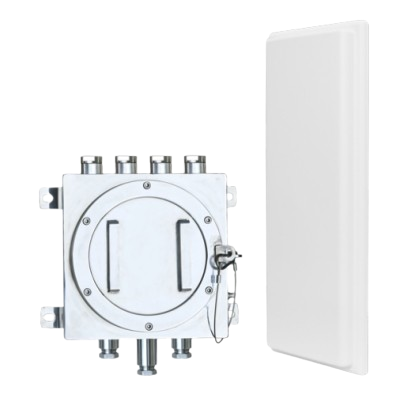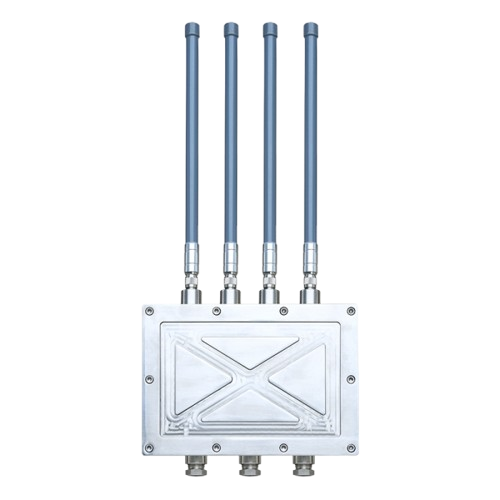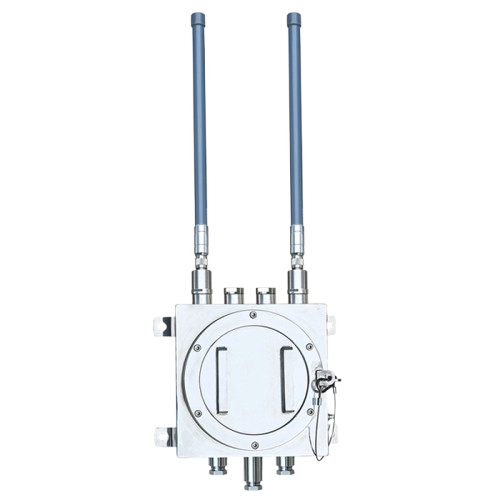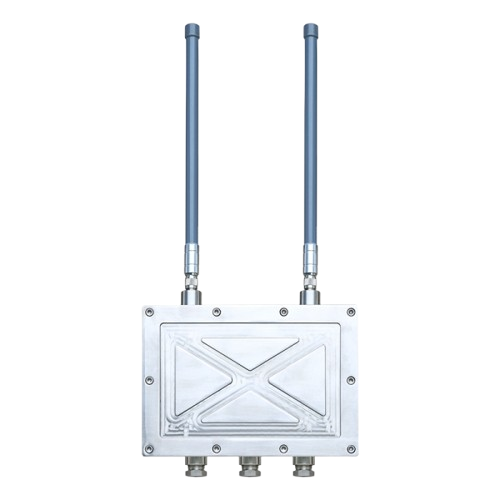
Explosion-Proof AP
Provide wireless access for field devices, inspection robots and mobile terminals in hazardous operating areas.
MX811 Series · MX821 Series
View products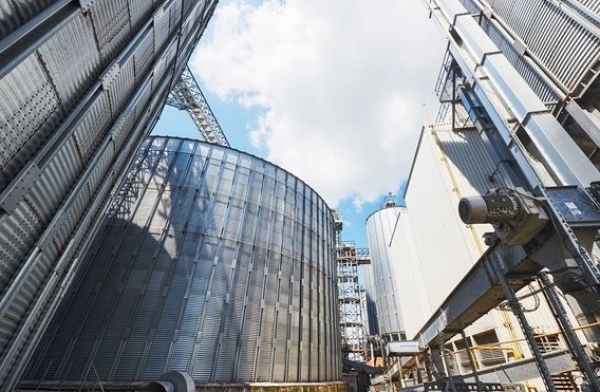
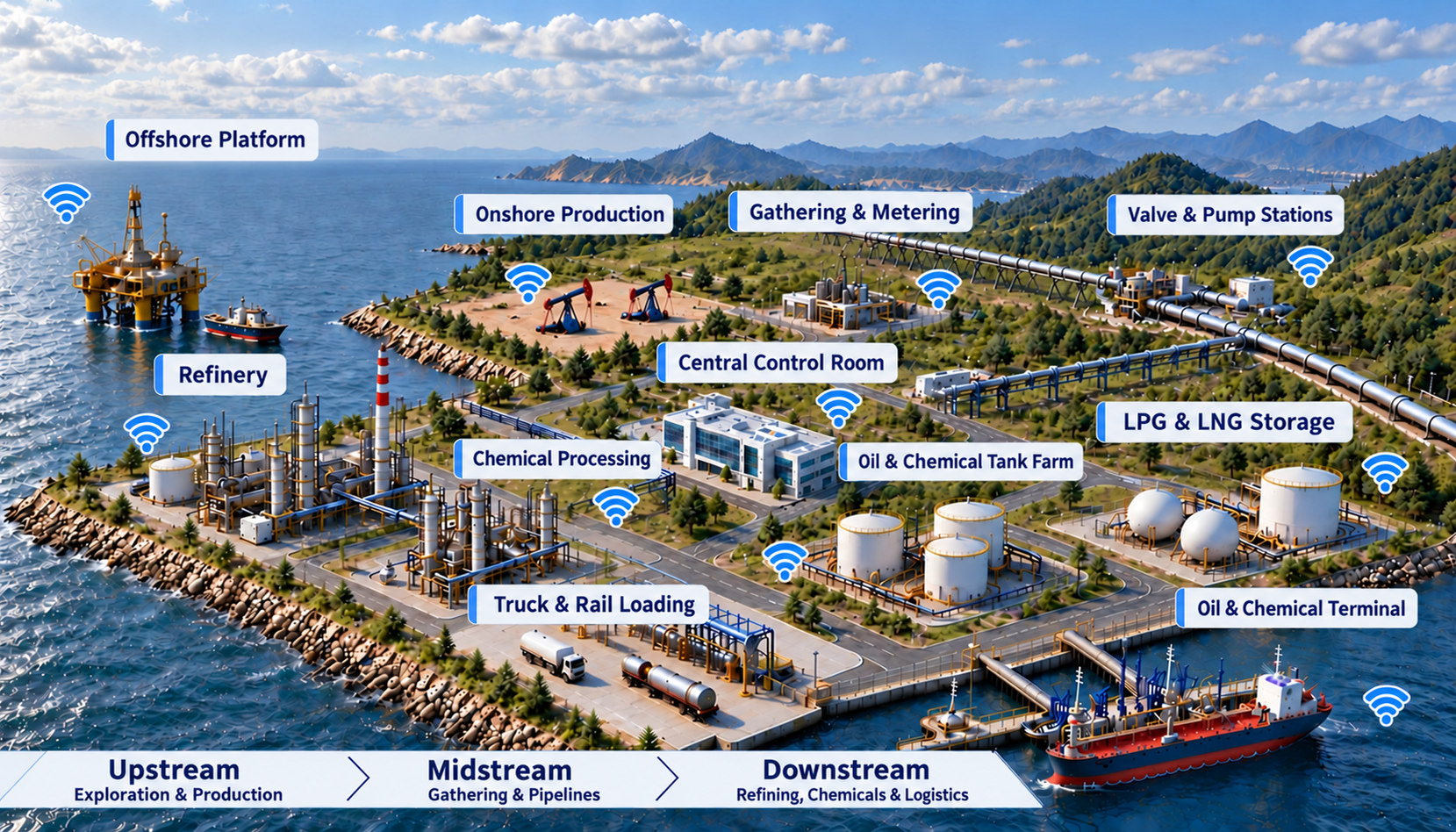
MAXON’s hazardous area wireless solution brings together explosion-proof wireless access points, wireless bridges, cellular routers and DTUs for industrial site connectivity. Applications include chemical plants, oil refineries, oil and gas platforms, and natural gas processing facilities, where field equipment and personnel need network access across production, storage and maintenance areas.
The solution also addresses communication needs in grain processing facilities, pharmaceutical powder-handling areas, and metal powder handling operations, including relevant areas within powder metallurgy facilities. Wireless access, backhaul and cellular connections link local devices with plant networks and remote systems. Equipment selection is matched to each area’s classification, installation conditions and communication requirements.
MAXON’s hazardous area wireless network combines local access, wireless backhaul and cellular connectivity for petrochemical plants, oil refineries, and oil and gas facilities. Wireless access points connect field devices to the local network, wireless bridges link separated locations, and cellular routers provide remote connectivity or an alternative uplink where required.
Coverage planning follows production work zones, tank farm layouts, and maintenance and warehousing routes. Tanks, pipework, buildings and other obstructions influence access point placement and wireless link paths. Equipment selection also considers the installation environment, available power, uplink interfaces and communication requirements of each area.
Production and processing: Wireless access points connect inspection robots and handheld communication terminals across operating areas. Coverage is planned around inspection routes and work locations so that field users and mobile equipment can communicate with plant systems.
Crude oil storage and transport: Fiber provides the primary connection for fixed cameras, with wireless links used for backup or temporary monitoring locations where required. Liquid level, temperature and pressure data originate from separate instruments and reach the monitoring system through compatible interfaces and communication equipment.
Maintenance and warehousing: Wi-Fi coverage connects AGVs, inspection robots and handheld scanning terminals along maintenance routes and warehouse aisles. The network carries operational data between these devices and their management or dispatching systems.
Administrative areas: Access points provide office connectivity for computers, mobile devices and applications such as video conferencing. Equipment is selected for the office environment, while network segmentation separates administrative traffic from operational systems.
Distributed sensors require a communication path suited to their interfaces, data volumes and installation locations. Depending on the selected equipment, monitoring data can reach the plant network through gateways, DTUs or cellular routers. Where a LoRaWAN sensor network is included in the project, its gateways forward sensor data to the designated monitoring platform.
Personnel positioning can use a separate UWB or Bluetooth positioning system connected to the plant network. The wireless infrastructure transports data for monitoring, positioning and dispatching applications; the connected sensors, positioning devices and application platforms provide those functions.

Selected MAXON explosion-proof wireless products combine flameproof gas protection and dust ignition protection with IP68-rated enclosures. Models such as the MX821-1F offer operation from -40°C to +80°C. These features support demanding industrial installations, with hazardous-area use governed by each model’s specified gas group, dust group, temperature limits and installation requirements.

Industrial wireless coverage is planned around production equipment, steel structures and distributed monitoring points. Antenna options and access point placement help adapt the network to different plant layouts. Coverage design considers device locations, link paths and installation constraints to connect field equipment across production, storage and maintenance areas more effectively.

Wireless bridges provide backhaul between separated plant locations, supporting equipment monitoring and video surveillance where a wireless link is required. Link planning considers distance, obstructions, interference and overall traffic demand. Appropriate antenna placement and channel selection help maintain dependable data paths between field networks and the plant’s central monitoring infrastructure.

Industrial Wi-Fi connects inspection robots, handheld terminals and AGVs along operating routes. Coverage planning considers movement paths, overlapping access point coverage and client capabilities. Supported roaming configurations help devices transition between access points, while deployment testing checks application continuity for inspection, warehouse operations and other mobile tasks across the site.
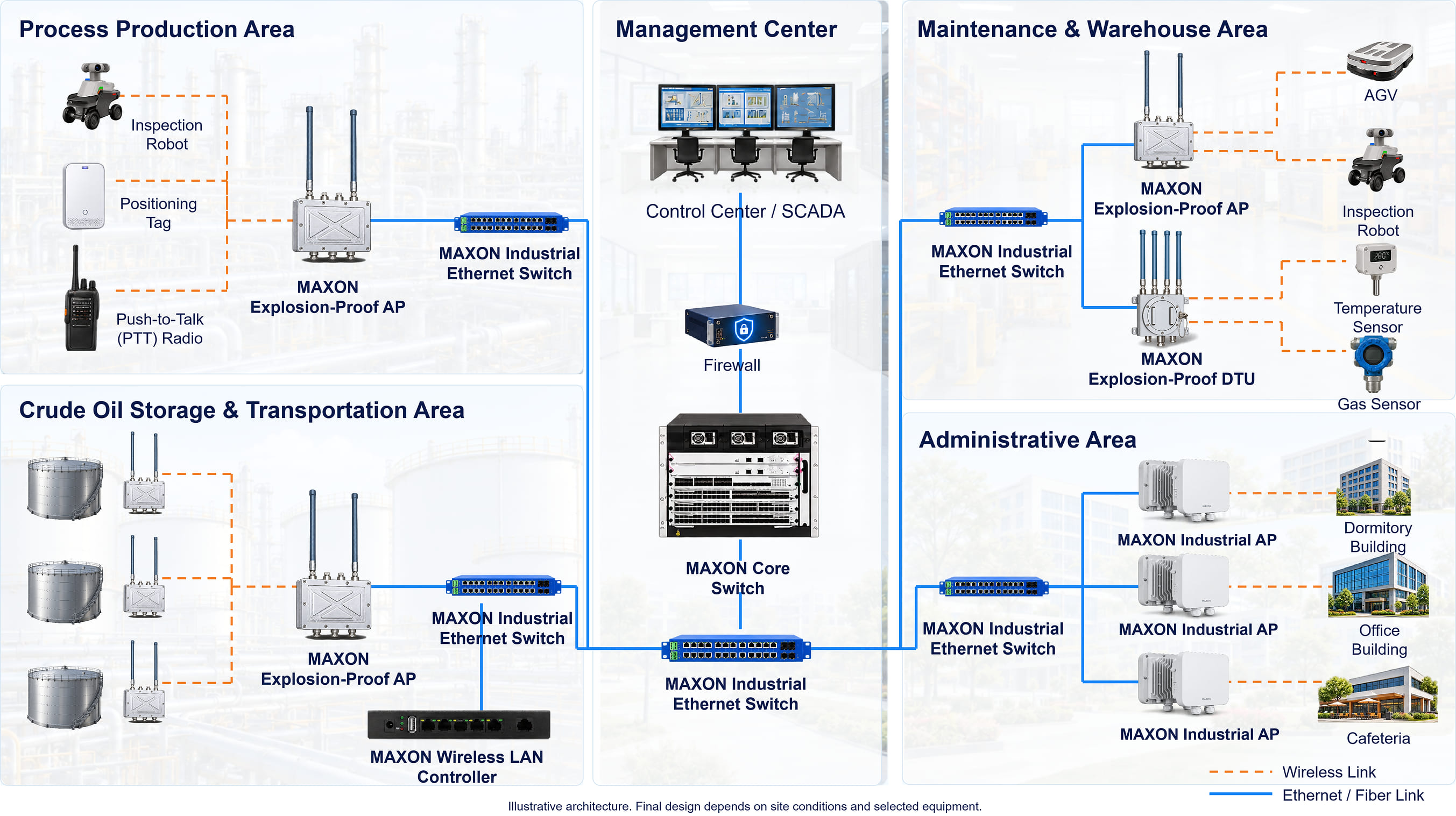
Explosion-proof access points provide wireless access for devices in operating areas. Explosion-proof wireless bridges serve wireless network connections between locations. Explosion-proof 4G and 5G routers provide cellular connectivity where that link is required.Explosion-proof DTUs connect compatible serial field equipment to remote monitoring systems for data collection and transmission in hazardous operating areas.
The solution overview covers chemical plants, oil refineries, oil and gas platforms, grain processing facilities, and plastics manufacturing plants.
Applications described for the network include wireless coverage, equipment monitoring, personnel positioning, AGV dispatching, inspection robot connectivity, and remote monitoring.
The listed categories include explosion-proof wireless access points, explosion-proof wireless bridges, and explosion-proof cellular routers. The confirmed model ranges are shown in the table above.