

Project Overview
The core of this project is to deploy a complete explosion-proof wireless network system throughout the chemical industrial park. The system uses a series of explosion-proof wireless base stations as the core coverage units, achieving comprehensive and seamless wireless signal coverage of key areas such as plant corridors and outdoor areas. Various terminal devices in the park, such as wireless cameras (monitoring dome/bullet cameras) and wireless PDAs (handheld intelligent terminals), access the network through Maxon explosion-proof APs/bridges, stably and reliably transmitting high-definition video, inspection data, and business instructions to various back-end business platforms (such as security monitoring platforms, production management systems, and equipment management systems). The successful implementation of this project not only solves the problem of basic network access but also builds the "data artery" necessary for the park's digital transformation, laying a solid foundation for creating a smart park with integrated sensing, decision-making, and operation.
Project Challenges
The implementation of this project faces multiple serious challenges:
Complex environment, difficult coverage: The industrial park covers a wide area, including a large number of open outdoor areas and complex pipe corridors. These areas have complex terrain, signal obstruction is common, and many are "blind spots" where traditional wired networks are difficult to deploy.
High explosion-proof safety requirements: Flammable and explosive gases may be present in pipe corridors and some production areas. Ordinary wireless equipment poses safety hazards, and professional communication equipment that meets explosion-proof standards must be used.
Diverse data transmission needs: Wireless cameras require high bandwidth to ensure smooth video, and wireless PDAs require low latency to ensure timely business response. The network needs to have differentiated service capabilities.
Difficulties in power supply and networking: Some locations in outdoor and pipe corridor areas lack mains power supply and fiber optic resources, making equipment power supply and backhaul a major challenge.
System stability and reliability: The chemical environment requires uninterrupted and stable network operation and the ability to withstand harsh weather and electromagnetic interference.
Solution
To address the above challenges, Maxon designed a multi-layered, comprehensive solution:
Core Coverage Layer: Explosion-proof Wireless Base Stations + Explosion-proof APs
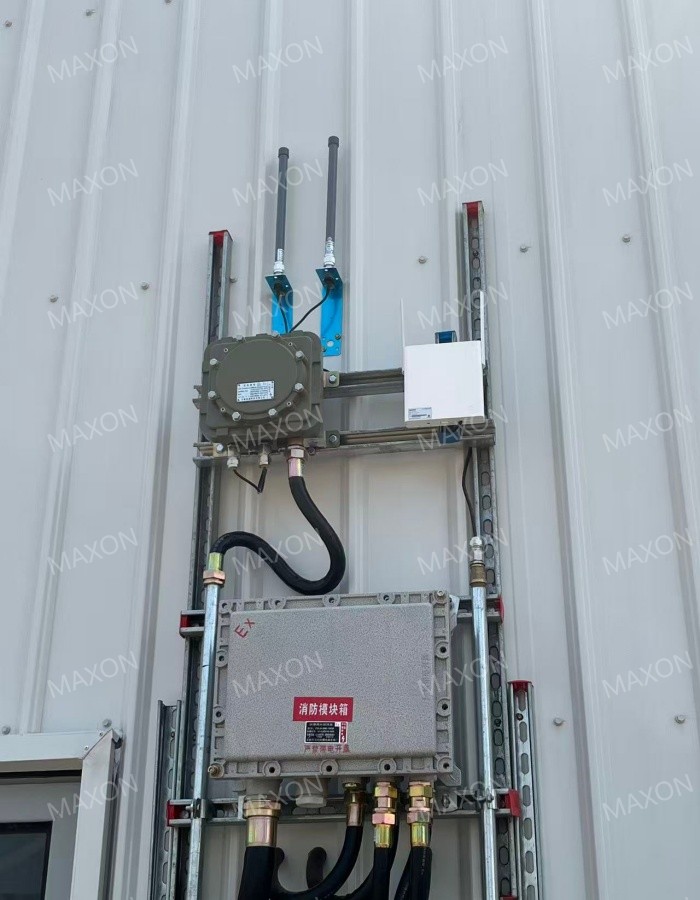
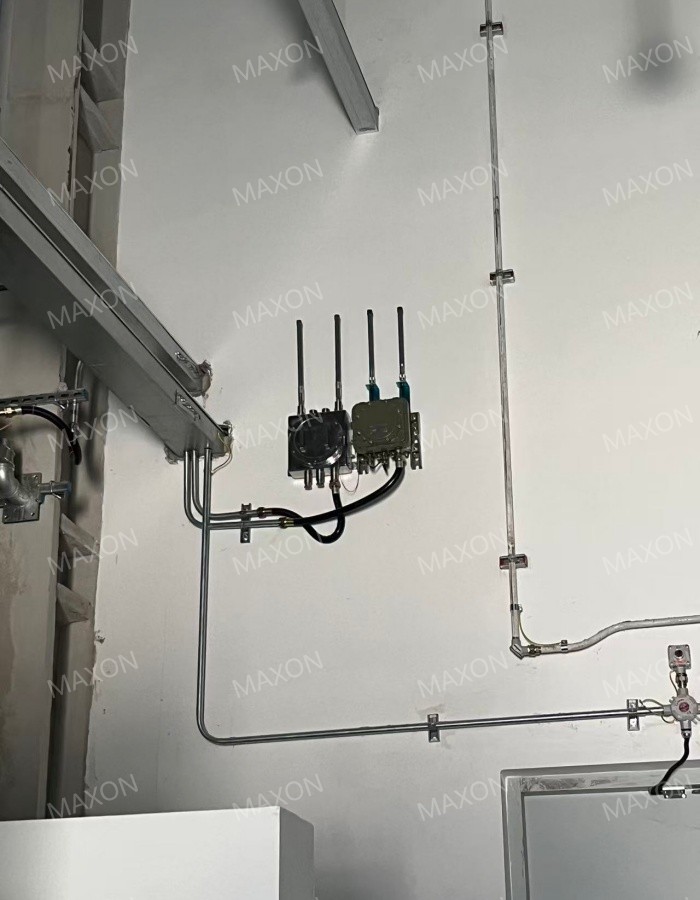
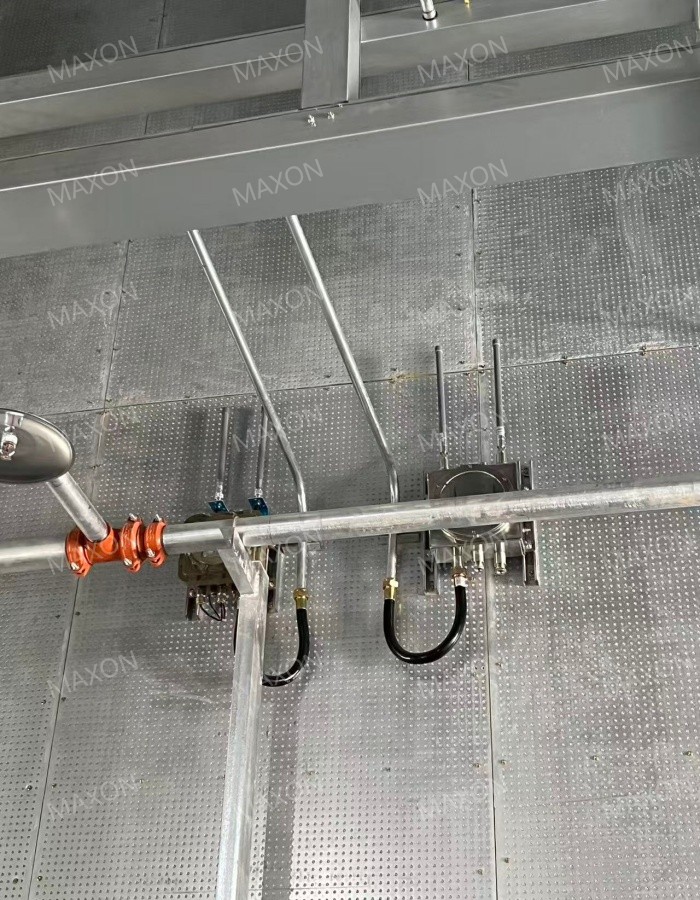
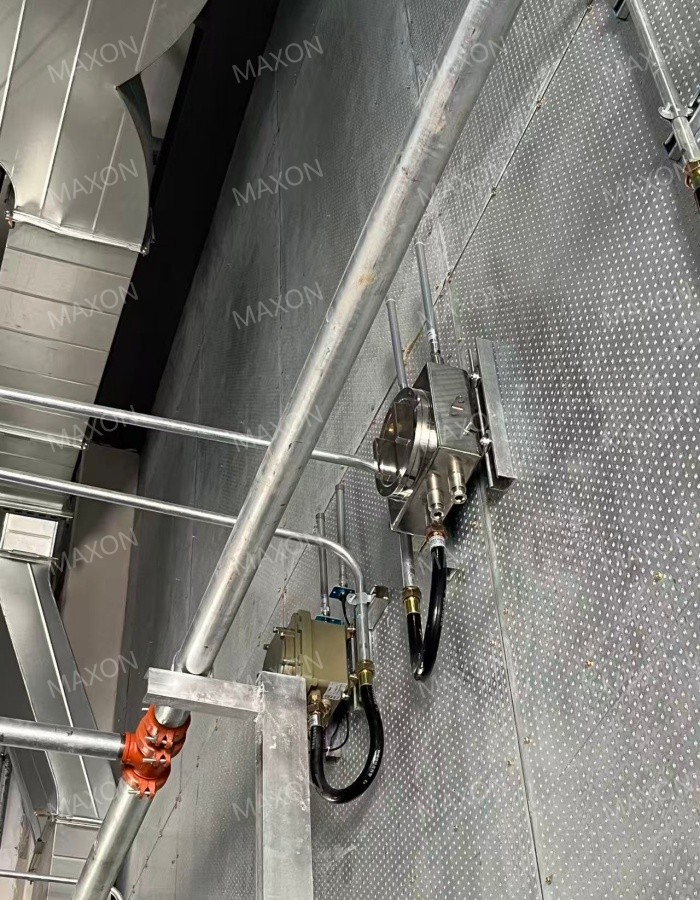
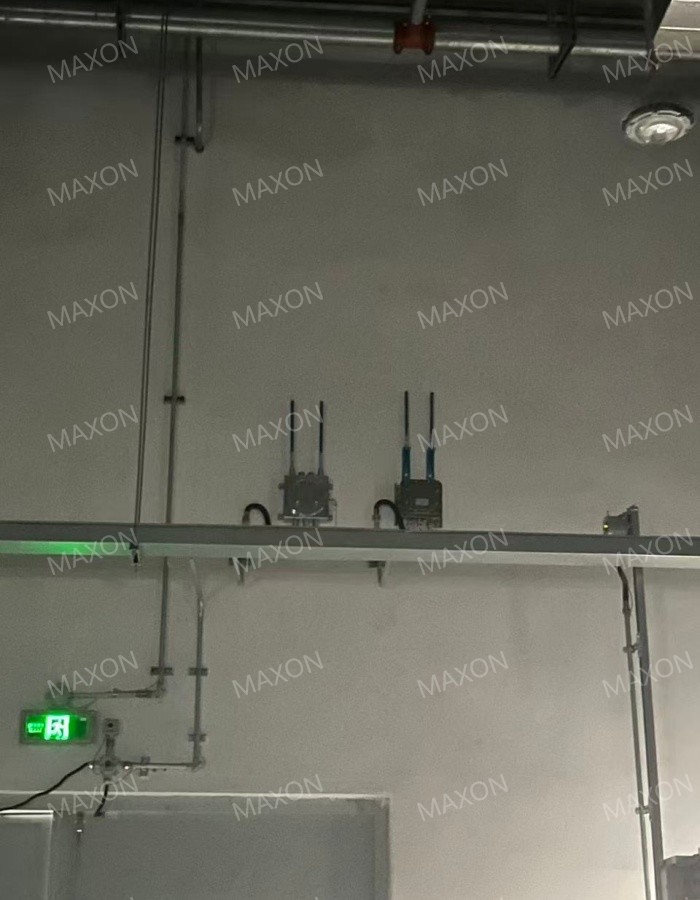
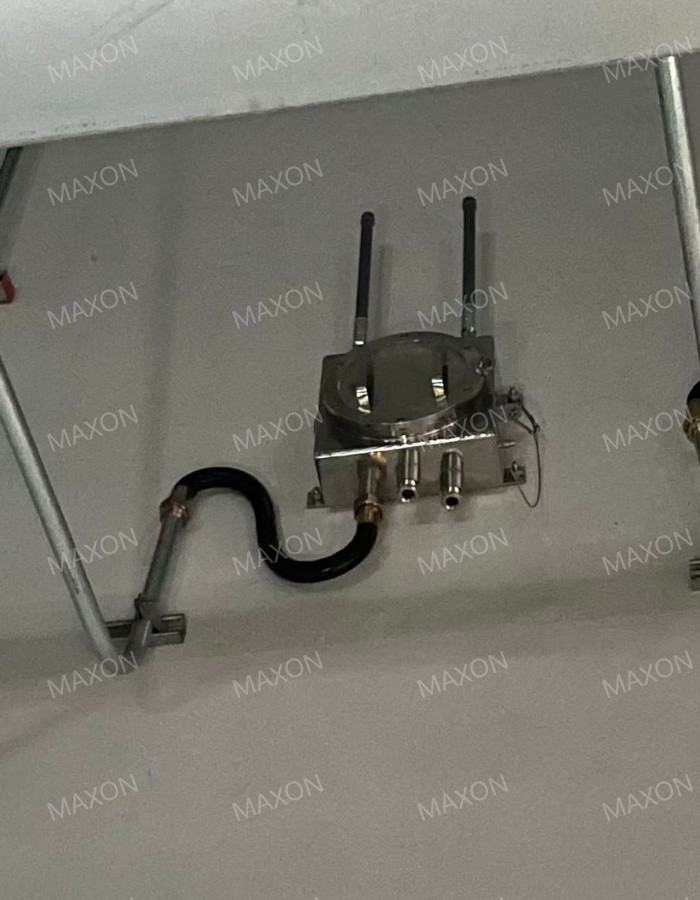
Deploy explosion-proof wireless base stations in areas with explosion-proof requirements, such as pipe corridors, tank farms, and production facilities. The device integrates wireless access and coverage functions, possesses explosion-proof certification, and can operate safely directly in hazardous areas, providing Wi-Fi signals to terminals within its range.
When denser coverage or supplementary coverage at specific points is required, explosion-proof APs/bridges can be flexibly combined to increase coverage range and ensure signal coverage without blind spots.
Backbone transmission layer: Wireless bridge
For explosion-proof wireless base stations and cameras that are far from the equipment room or where laying optical cables is inconvenient, wireless bridges are used for wireless backhaul. Through point-to-point (PTP) or point-to-multipoint (PMP) methods, front-end data is aggregated to the core network at high speed and stably, perfectly solving the networking problem in areas where power supply is difficult.
Terminal access layer:
Wireless cameras: Directly connect to the nearest explosion-proof wireless base station or AP, and transmit monitoring video back through the wireless network.
Wireless PDA: Inspection and operation personnel hold PDAs, and can seamlessly roam between different explosion-proof wireless base stations or APs while moving within the park, ensuring business continuity.
Positioning: Inspection personnel carry positioning tags, which send information wirelessly to the WiFi access point (AP). The AP then sends the information to the ground positioning server, which calculates the staff's location, enabling personnel inspection positioning, trajectory tracking, and electronic fence alarms within the area.
Network management: Through a unified network management system, all wireless devices are centrally monitored, configured, and diagnosed for faults, ensuring stable network operation.
Project Advantages
Safe and reliable: The core equipment uses explosion-proof base stations with explosion-proof rating of Exd IIB/IIC T6 and protection rating of IP68, fundamentally eliminating safety hazards.
Comprehensive coverage: Through the flexible combination of Maxon explosion-proof APs and bridges, full-scenario wireless coverage from open outdoor areas to complex pipe corridors is achieved.
Quick deployment and low cost: The extensive use of wireless connections avoids large-scale excavation and laying of optical cables, greatly shortening the construction period and reducing construction and maintenance costs.
Flexible Expansion: The wireless network architecture facilitates the addition of new monitoring points or business terminals, meeting the expansion needs of the enterprise's future development.
Improved Efficiency: Real-time, wireless data transmission is achieved, making business processes such as inspection, monitoring, and dispatching more efficient and improving overall operational efficiency.
Case Study
Project Name: Wireless Coverage Project for Intelligent Upgrade of a Chemical Industrial Park
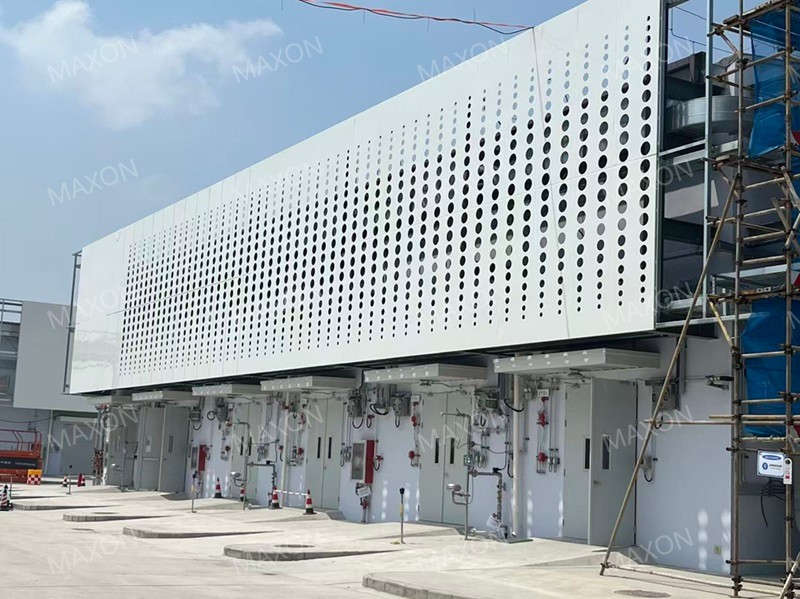
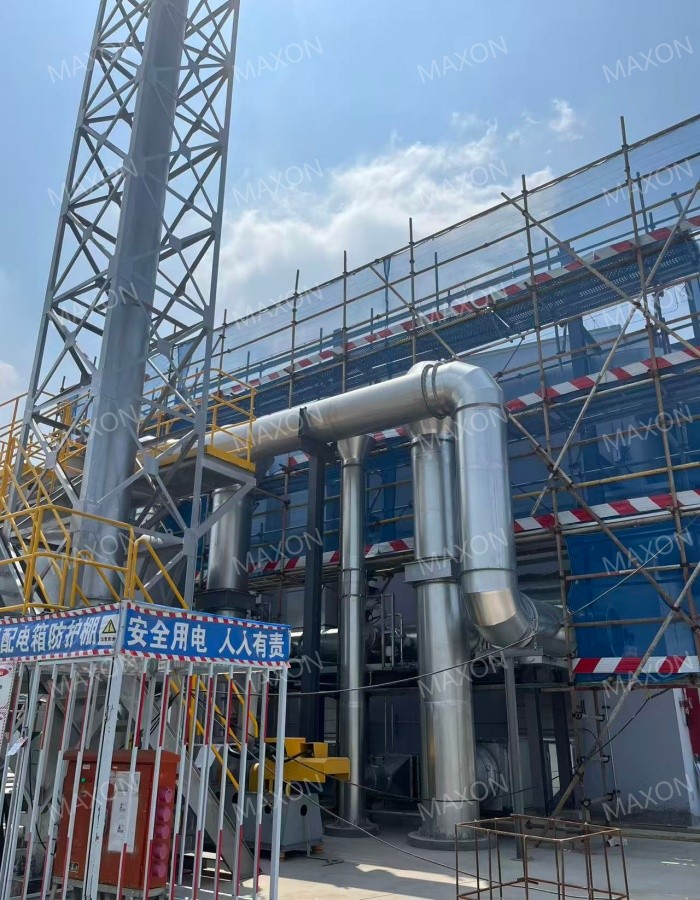
Customer Requirements: To achieve wireless coverage of a 5-kilometer-long integrated pipe corridor, outdoor storage tank area, and loading and unloading platform within the park, for the deployment of an intelligent inspection system and video surveillance system.
Solution:
Deploy an explosion-proof wireless base station every 500 meters along the pipe corridor to form a strip-shaped coverage.
Deploy explosion-proof wireless APs/bridges at the highest points on top of the storage tank area to achieve area coverage.
For base station clusters far from the central computer room, use one-to-many wireless bridges for data backhaul.
Equip inspection personnel with wireless PDAs and deploy wireless cameras for the security department.
Implementation Results:
Successfully achieved over 99% wireless signal coverage in the target area. Inspection personnel can upload inspection data and download work orders in real time via PDAs, significantly improving efficiency. The security monitoring center can access high-definition images from any wireless camera in real time, achieving comprehensive security monitoring without blind spots. The overall construction cost of the project was lower than traditional wired solutions, and the construction period was shortened by more than half, receiving high recognition from the customer.
https://mxcomm.cn/news/3958.html#sigProId2ab3677bb1